Introduction
With the rapid adoption of electric vehicles, the installation of EV chargers is becoming a standard feature in residential and commercial properties. An EV charger adds a significant and electronically sensitive load to a building's electrical system.
The inherent design of EV charging infrastructure creates a high degree of susceptibility to damage from transient overvoltages. Damaging electrical surges originate primarily from lightning strikes and power grid switching operations.
For electricians, installers, and asset owners, a technical understanding of mitigation strategies is critical. Correctly specifying and applying Surge Protective Devices (SPDs) is essential to ensure the operational reliability and safety of EV chargers and the vehicles they connect to.
Why surge protection is critical for EV charging
EV chargers face significant risk from atmospheric threats due to their common external installation. A direct lightning strike to the charger or its supply line, or an indirect strike up to two kilometers away, can induce catastrophic overvoltages. The geographic lightning density of the installation area directly corresponds to the probability of such high-energy events.
Transient overvoltages also originate from the electrical grid itself. Switching operations of large loads, fault-clearing procedures, and short-circuits generate damaging surges, sometimes referred to as Switching Electromagnetic Pulses (SEMP). The resulting grid-based surges pose a constant electrical threat to all connected EV charging equipment.

Figure 1 - SEMP impacting connected equipment in a EV charging station
The internal components of both AC and DC chargers—including microprocessors and control modules—are highly vulnerable to overvoltages because they possess a low impulse withstand voltage. A vulnerability to even minor electrical disturbances is a key characteristic of the equipment, making dedicated protection essential.
Crucially, the charging cable provides a direct conductive path for surge energy to travel from the charger into the electric vehicle. An overvoltage event can inflict irreparable damage upon the vehicle’s on-board charger and its critical Battery Management System (BMS), representing the most significant financial and safety risk.
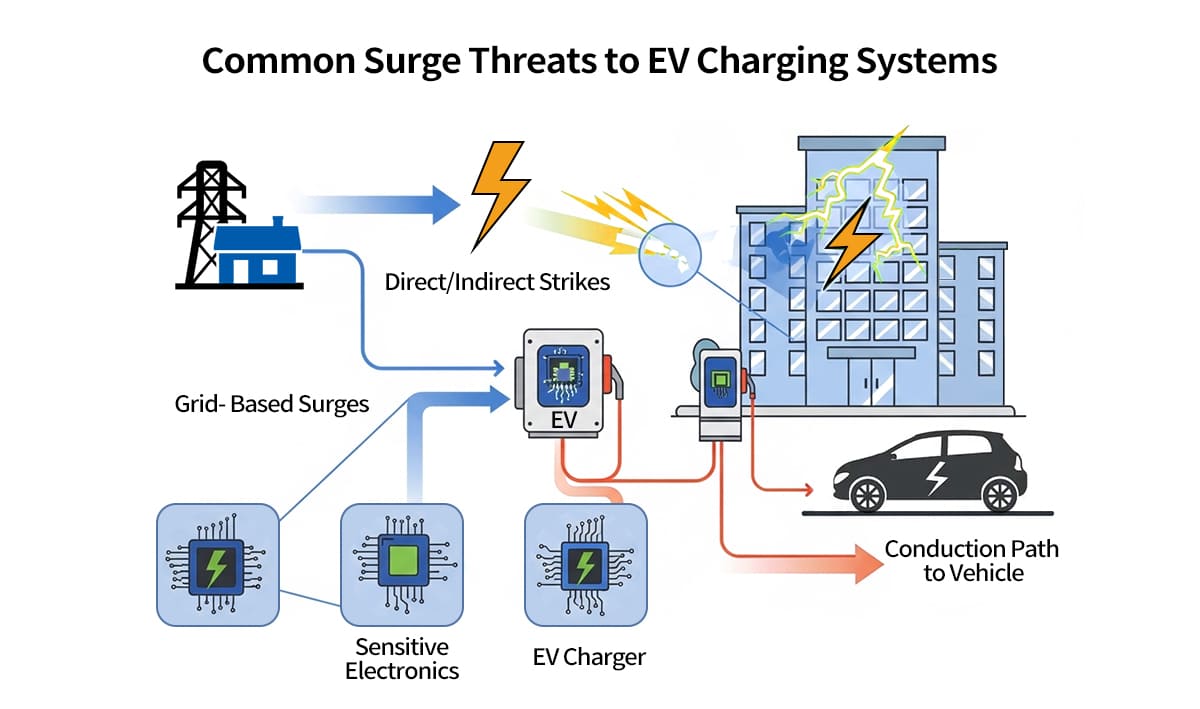
Figure 2 - Common surge threats to EV charging systems
The impact of surge damage on EV charger uptime and vehicle safety
Surge damage directly leads to the failure of an EV charger's internal electronic components. The resulting equipment failure necessitates costly repairs or a complete unit replacement. These direct financial losses substantially increase the total cost of ownership for the EV charging station and must be factored into any operational budget.
Catastrophic failure of an EV charger's internal components from surge damage can create short-circuit conditions. Such events introduce a tangible risk of electrical fire. A compromised unit presents a direct and serious hazard to user safety, fundamentally undermining the required electrical safety standards for publicly accessible equipment.
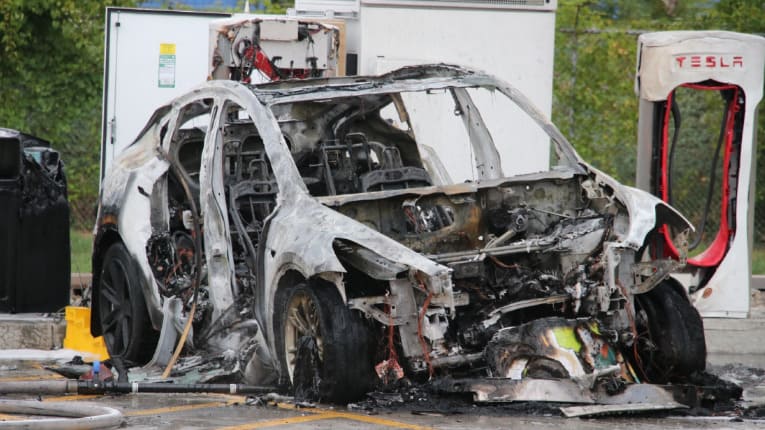
EV charging malfunction causing fire
For commercial operators, a damaged EV charger results in immediate operational downtime. An inoperable station cannot generate revenue, creating a direct financial loss. Prolonged downtime also erodes customer confidence and can negatively impact the reputation of the charging network provider, affecting long-term profitability and market share.
Surge events present a significant liability exposure for station owners. An electrical transient that damages a connected electric vehicle can lead to claims for costly repairs to these high-value assets. The financial responsibility for damage to a customer's vehicle often falls upon the owner or operator of the EV charging station.
|
Risk Category |
Direct Impact |
|
Financial |
High cost of EV charger repair/replacement; Lost revenue from downtime. |
|
Liability |
Financial responsibility for damage to a connected customer's electric vehicle. |
|
Operational |
Reduced network reliability; Negative customer experience and brand reputation. |
|
Safety |
Potential for electrical fire; Direct safety hazard to users and property. |
Table 1 - Summary of risks from unprotected EV charging stations
Surge protection risk evaluation for EV charging stations
A comprehensive risk evaluation is a prerequisite for designing an effective surge protection system. The required level of protection must be proportional to the assessed risk, which is determined by a combination of environmental, electrical, and operational factors.
1.Geographic Lightning Density
The primary external risk factor is the installation site's geographic location and its corresponding average annual lightning flashes per square kilometer. An EV charging station in a high-density area faces a statistically higher probability of a lightning-induced surge and therefore requires a more robust protection system, beginning with a Type 1 SPD.
2.Power Line Exposure
The method of power delivery to the facility is a critical consideration. Structures fed by overhead power lines are far more susceptible to lightning-induced surges than those fed by underground lines. The long, exposed conductors of overhead lines act as antennas, capturing energy from nearby lightning strikes that is then conducted directly into the facility.
3.Installation Location and Proximity to Strike Receptors
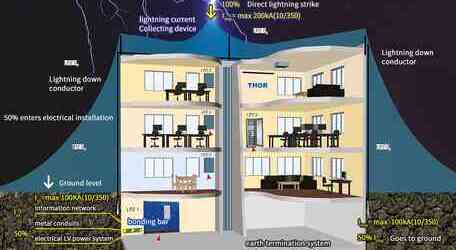
The physical placement of the charger determines its direct exposure. An EV charger in an open parking lot near tall, conductive objects like metal light poles or on the top level of a parking garage is at a higher risk of a direct or nearby strike. This corresponds to Lightning Protection Zone 0 (LPZ 0) and mandates a high-capacity Type 1 SPD.
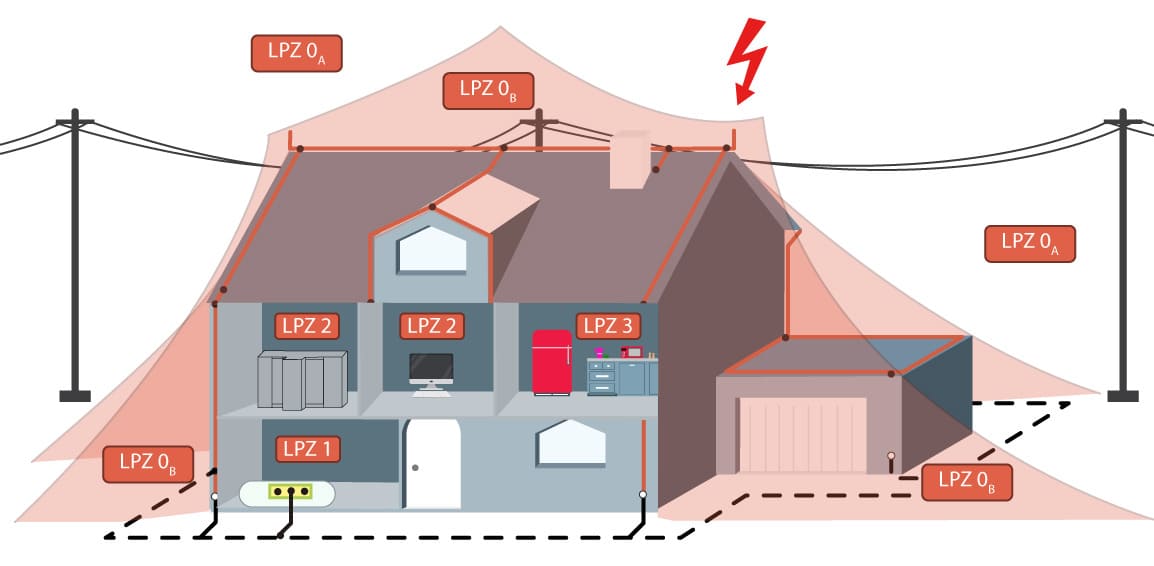
Figure 3 - Lightning protection zone in a building
4.Internal Surge Generation Risks
Transient overvoltages are not only an external threat. Large inductive loads within the same facility, such as HVAC systems, elevators, or industrial motors, can generate significant electrical surges on the internal wiring every time they cycle on or off. These internally generated transients pose a constant threat to the sensitive electronics of an EV charger.
5.Network and Communication Line Vulnerability
Modern "smart" EV chargers are networked for payment, monitoring, and control. These data and communication lines (e.g., Ethernet) create a "backdoor" conductive path for surges to enter the charger, bypassing any protection on the main power feed. A complete risk evaluation must account for these non-power-line vulnerabilities.
Proper grounding and equipotential bonding
A proper grounding system is the single most critical element of any safe electrical installation, including EV charging infrastructure. Its primary purpose is to provide a low-impedance path for fault currents to flow to the earth, enabling protective devices like circuit breakers to operate correctly and prevent life-threatening electric shock.
Equipotential bonding concept
While grounding provides the connection to earth, equipotential bonding ensures that all metallic components within a given space are at the same electrical potential. During a lightning strike or major surge event, massive currents flow into the grounding system. It functions to create hazardous voltage differences between objects—for example, between the EV charger's metal enclosure and the rebar in the concrete pad it sits on, or between the vehicle's chassis and the ground itself.
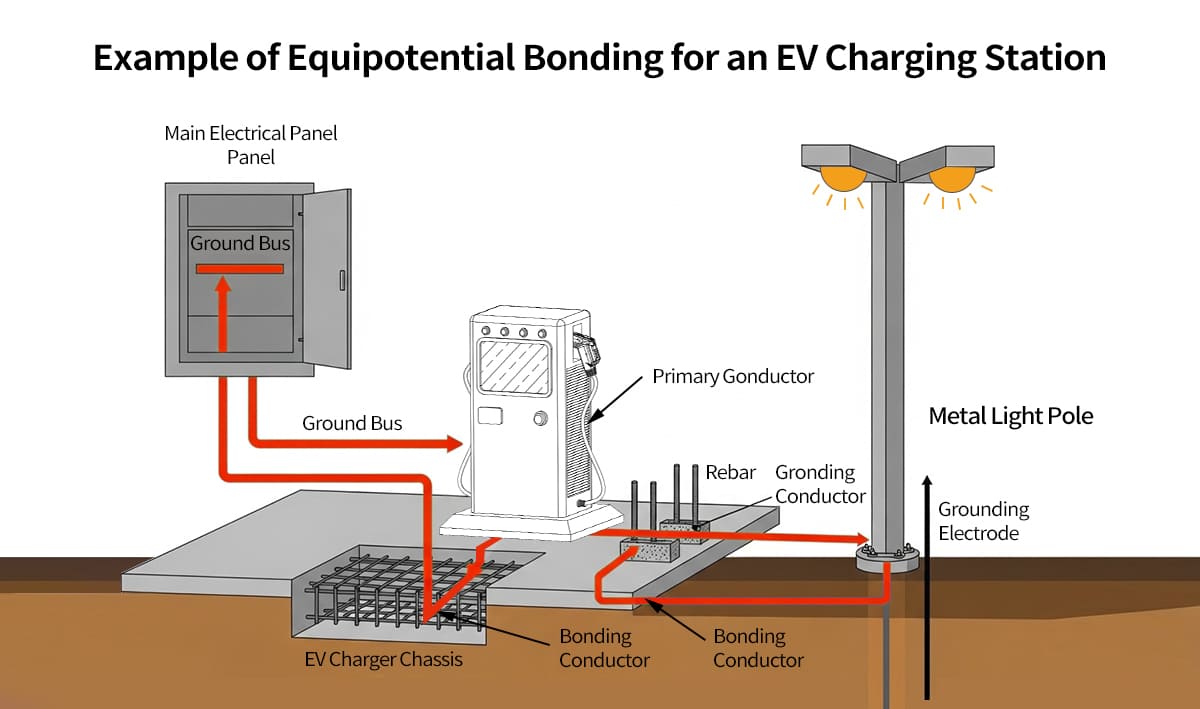
Figure 4 - EV charger grounding configuration with equipotential bonding
How to Achieve Effective Grounding and Bonding
The goal is to create a single, unified, low-impedance grounding plane. It can be achieved by irreversibly connecting (bonding) all relevant metallic systems together and to the main electrical ground. For an EV charging station, the process must include:
● The main electrical service grounding electrode system.
● The ground conductor of the circuit feeding the EV charger.
● The metallic enclosure (chassis) of the EV charger itself.
● Any nearby metallic structures, such as light poles, bollards, or building steel.
● The reinforcing steel (rebar) within the concrete foundation or pad.
Implementing Type 1 and Type 2 SPDs for EV Charger Protection
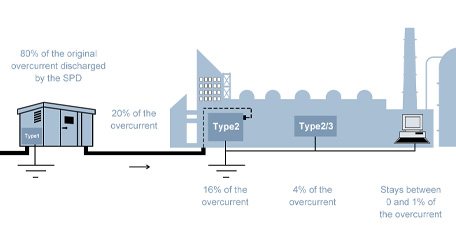
A single device is insufficient for complete EV charger surge protection. An effective strategy requires a multi-stage, coordinated system designed to sequentially reduce transient energy to a level that will not damage the EV charging station. The approach is technically defined by the Lightning Protection Zone (LPZ) concept, which uses boundaries to manage the reduction of surge currents from the outside world (LPZ 0) to the protected internal equipment (LPZ 1 and higher).
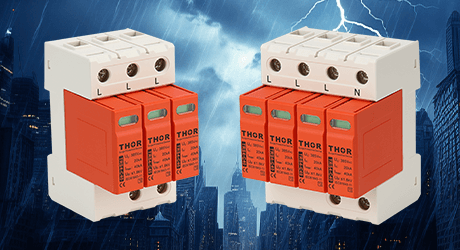
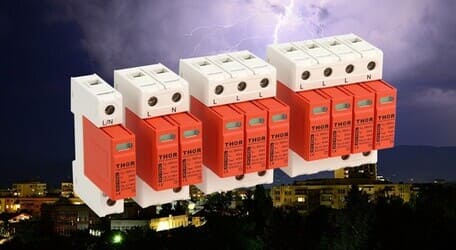
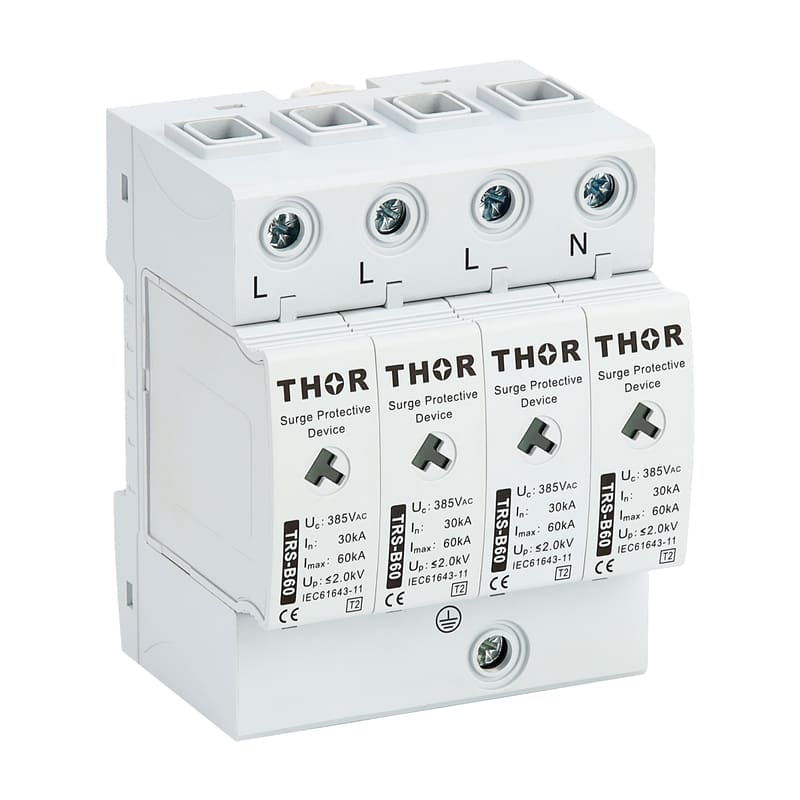
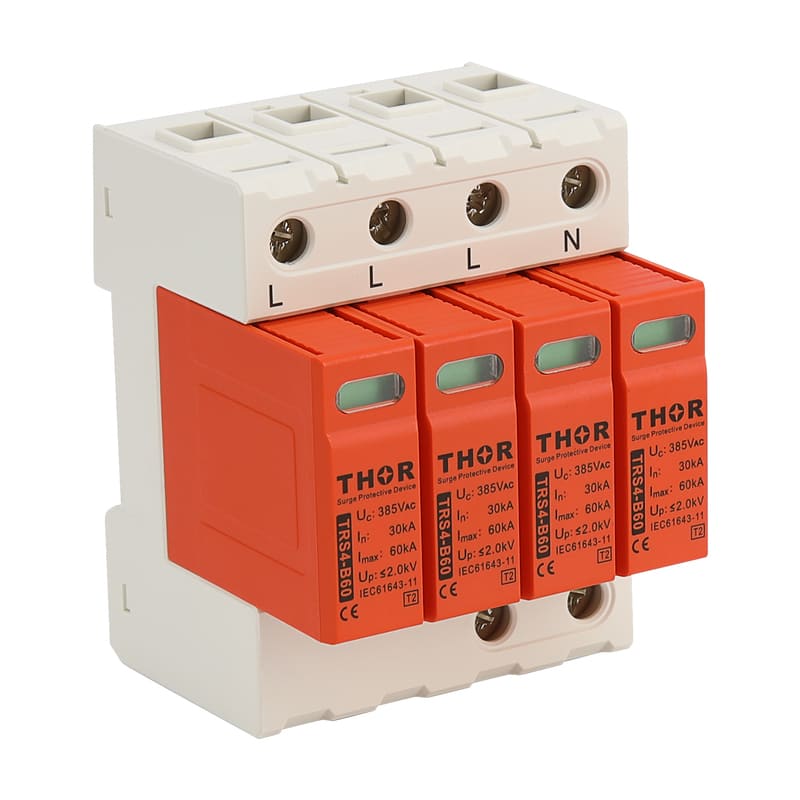
A Type 1 SPD provides the primary lightning protection for the entire electrical service. Installed at the service entrance where power lines enter the building (the boundary of LPZ 0A and LPZ 1), its function is to divert the massive energy from a direct or nearby lightning strike. A device like our SPD TRS-A type 1 surge protection device is engineered for this role, featuring a high surge current capacity of 50 kA per phase to handle the high-energy 10/350 µs lightning waveform.
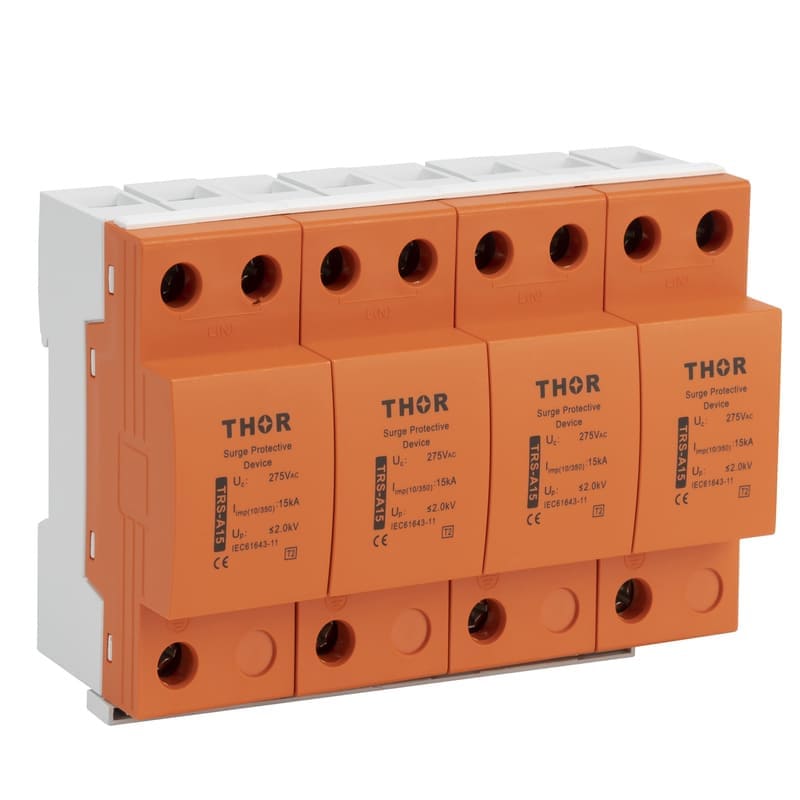
TRS-A series 3+1 configuration type 1 SPD
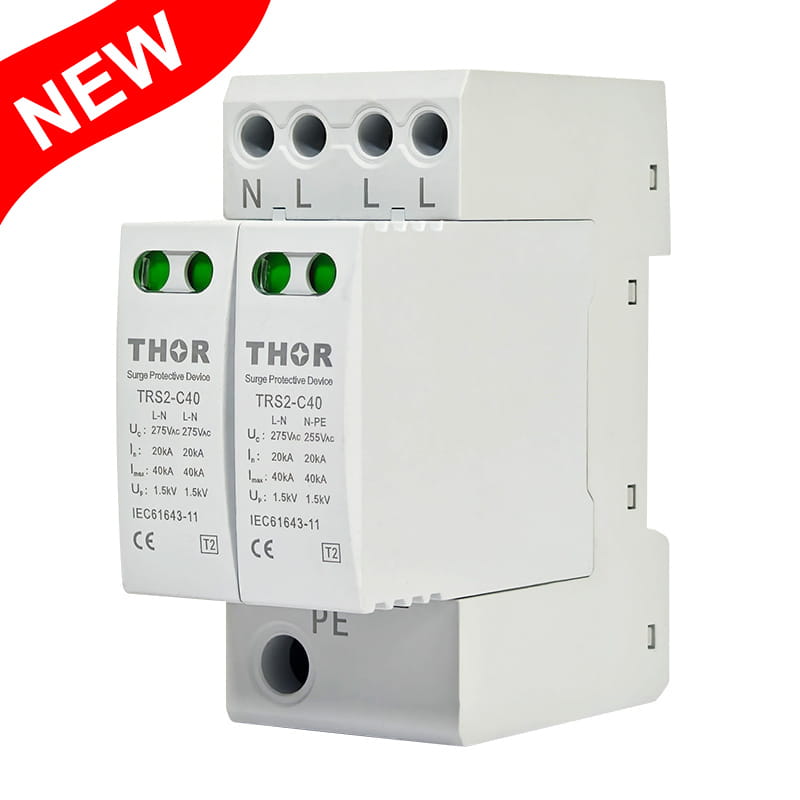
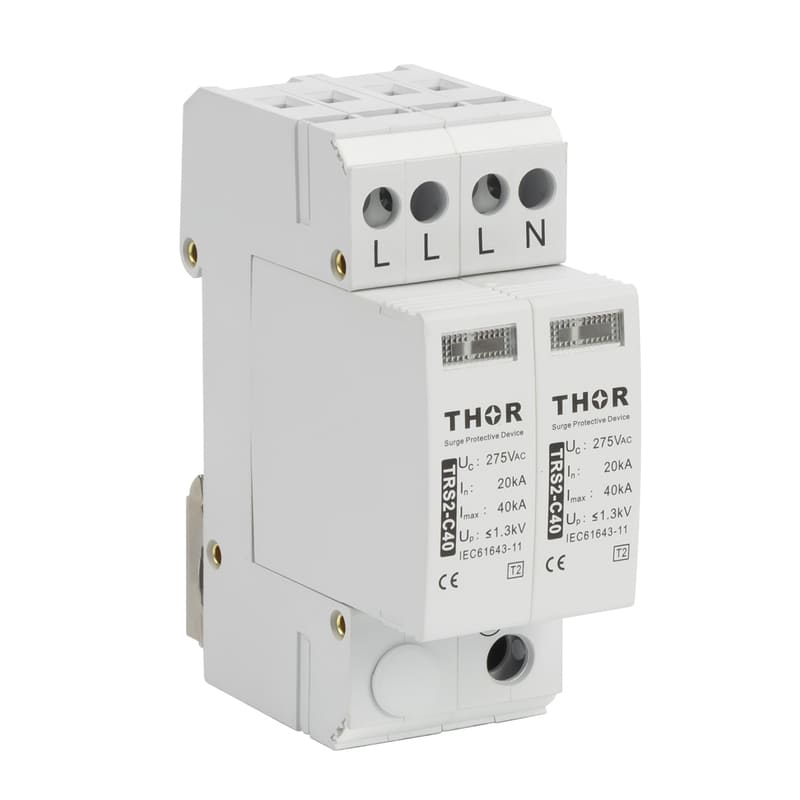
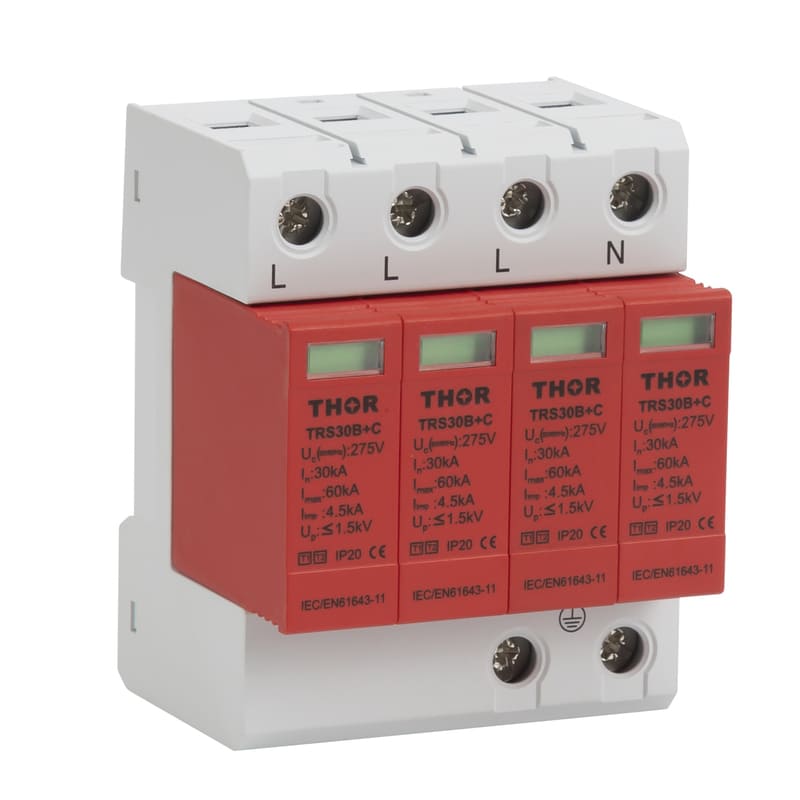
The Type 2 SPD is the essential surge protection for the EV charging station itself and is a mandatory component of a reliable installation. It is installed in the sub-panel or feeder circuit that directly powers the EV charger (within LPZ 1). This SPD manages residual overvoltages that pass the Type 1 device and mitigates internally generated switching transients, which are characterized by the 8/20 µs waveform. Our SPD TRS4 series, with a 40 kA capacity, is specifically designed for this application, providing critical protection directly at the point of use.
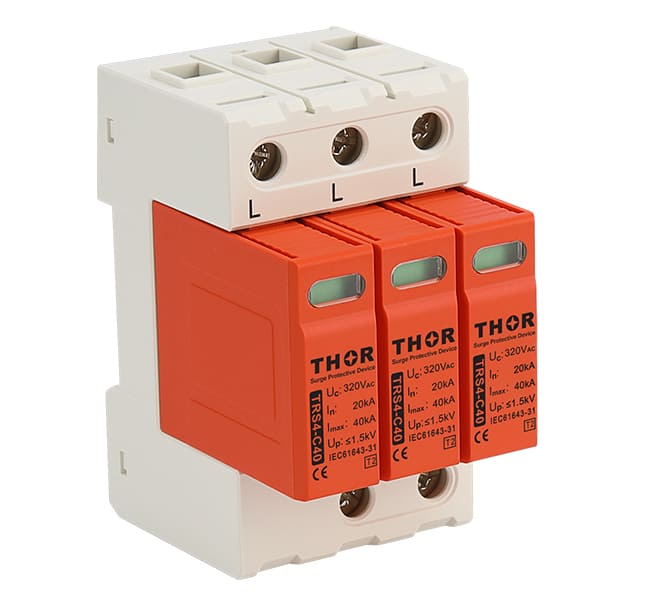
TRS4 series type 2 SPD
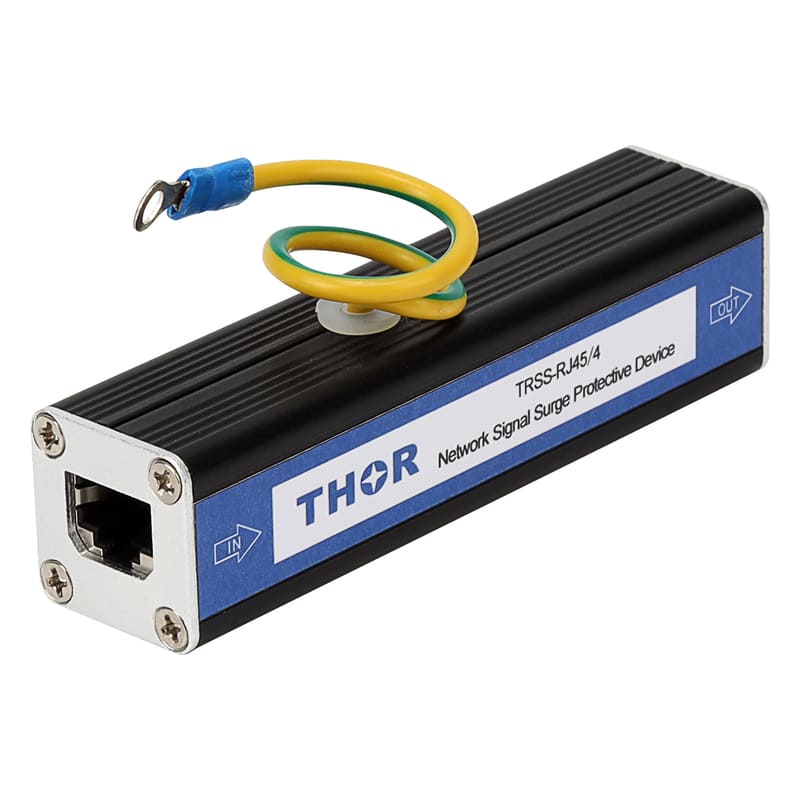
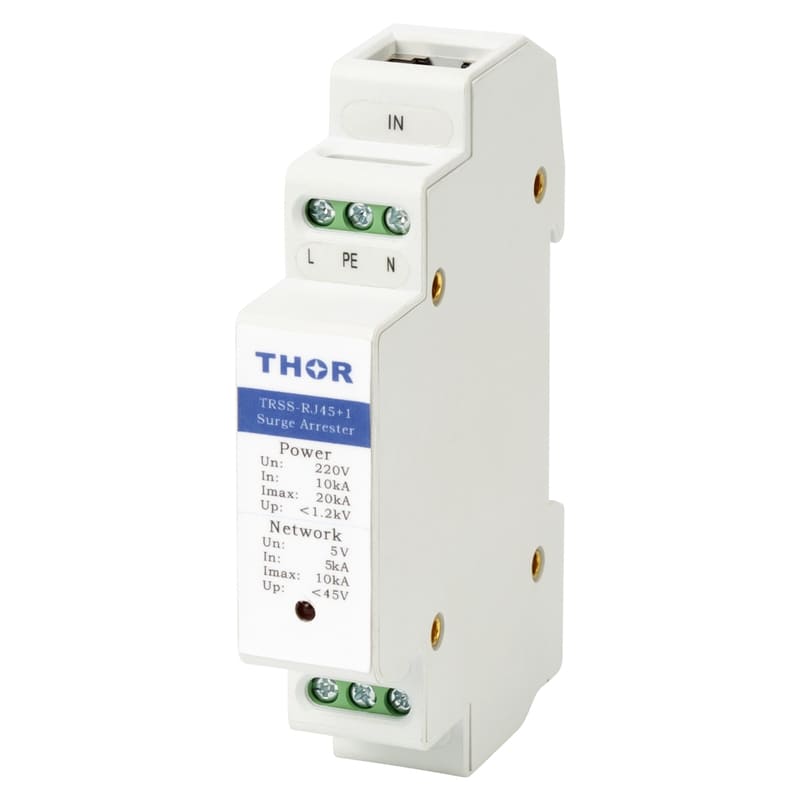
Power circuits are not the only pathway for damaging surges. Networked EV chargers require dedicated data line surge protection for communication ports such as Ethernet or RS485. These low-voltage lines provide a "backdoor" path for transients to bypass power SPDs and destroy sensitive logic and control boards.
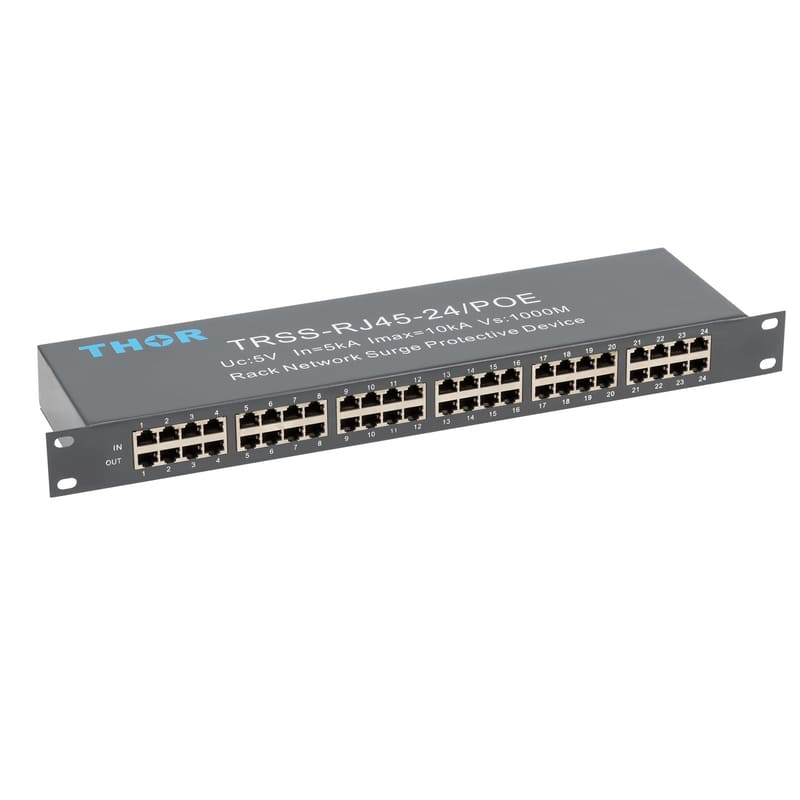
A specialized device, such as our SPD TRSS-RJ45/8 series for Ethernet, must be installed in-line on these data cables to ensure the complete electrical isolation and protection of the charger's communication and control systems.
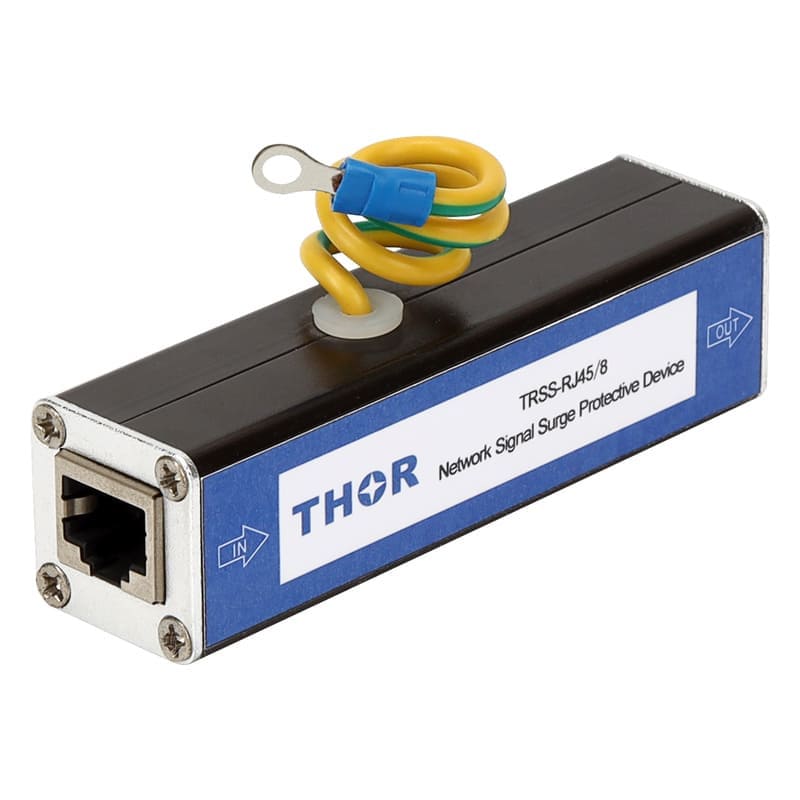
TRSS-RJ45/8 series Ethernet SPD
Conclusion
A comprehensive protection strategy is essential for any professional EV charging installation. The process requires a thorough risk evaluation, a robust grounding and bonding system, and the coordinated application of Type 1, Type 2, and data line SPDs. The systematic, multi-layered approach is the only reliable method to protect the EV charger and the connected vehicle from damaging surges. Implementing proper surge protection is a fundamental requirement for ensuring the safety, uptime, and longevity of your critical EV charging assets.